


Adult orthodontic treatment corrects tooth position and bite relationships after jaw growth is complete, seeking a balance between chewing function, oral health and smile aesthetics

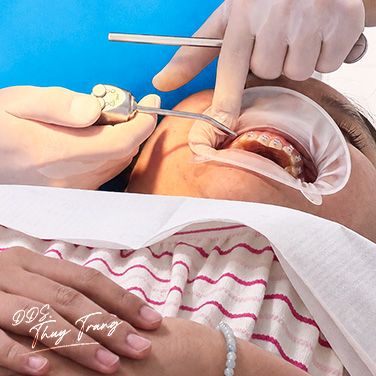
Adult orthodontics (from age 17) uses controlled orthodontic forces to move the teeth into appropriate positions, improve bite relationships and optimise smile aesthetics. Each plan must be personalised according to the patient’s teeth, periodontal health, jaw structure and individual goals
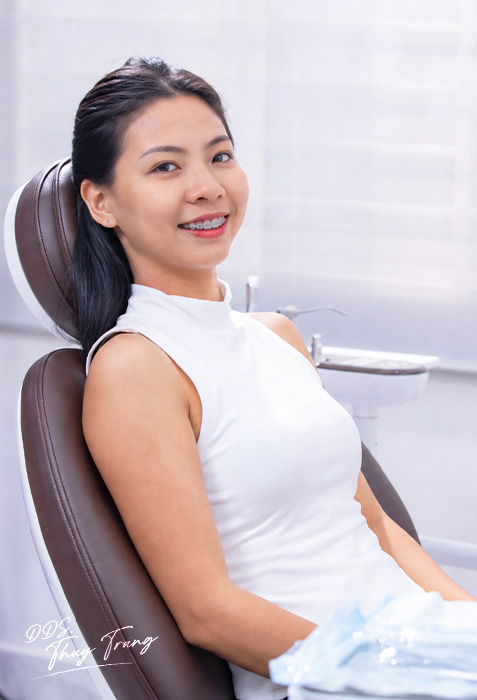
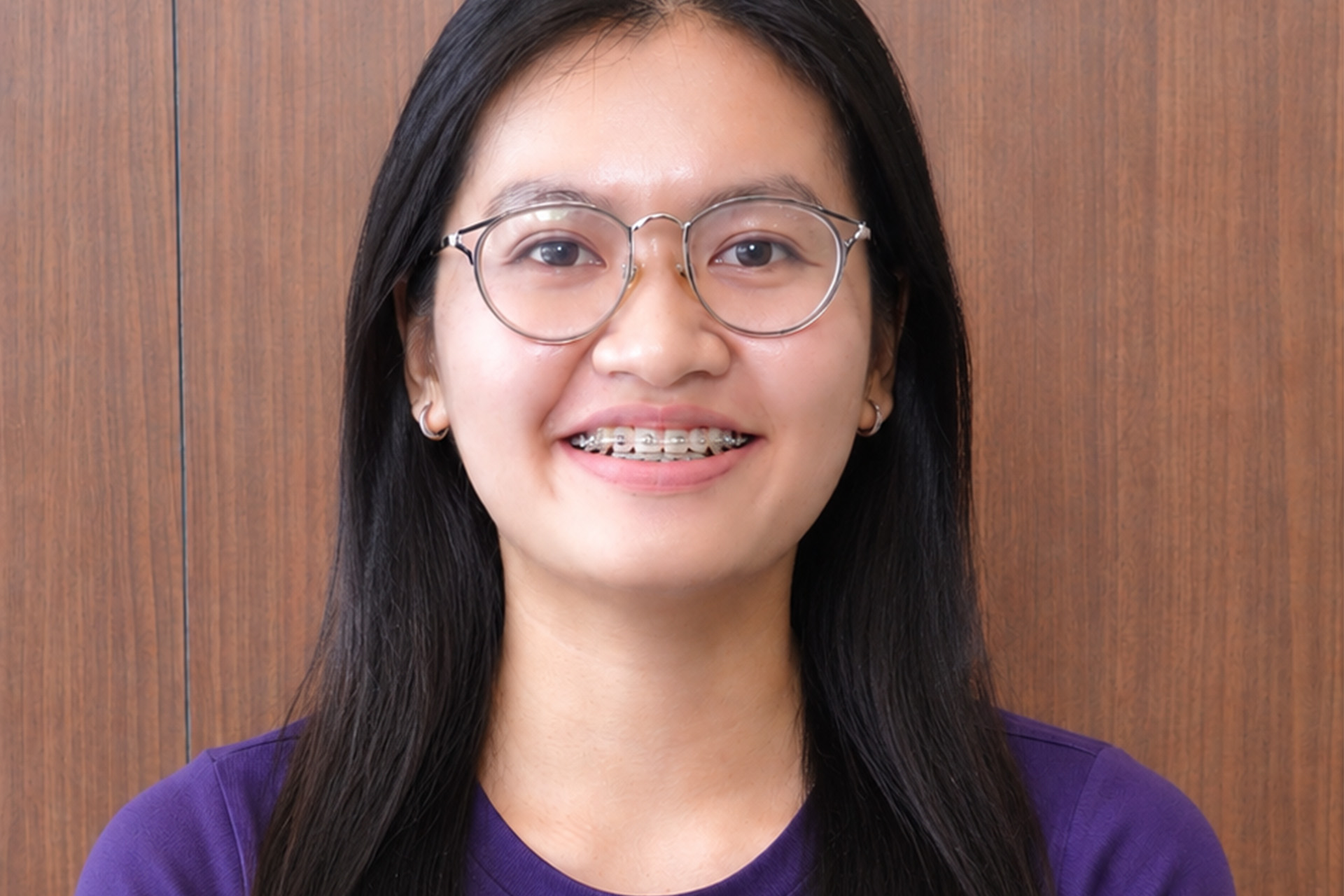
Patients report feeling more confident after orthodontic treatment, smiling more often and recommending treatment to others who may need it.
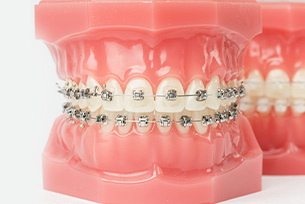
Provide reliable control and are suitable for a broad range of malocclusions, including cases requiring complex biomechanics.
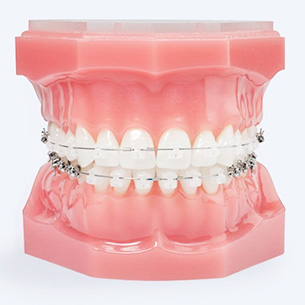
Use the same fundamental principles as conventional braces while offering a more discreet appearance during treatment.
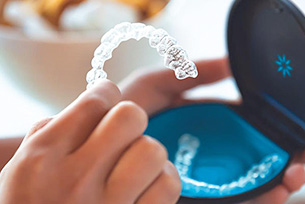
Discreet and removable, with treatment based on a digital plan. Outcomes depend greatly on appropriate case selection and the orthodontist’s treatment design.
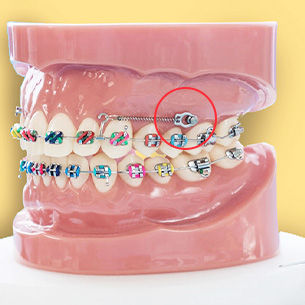
When indicated, treatment may be combined with tooth extraction, orthodontic mini-screws, periodontal care, restorative treatment or orthognathic surgery.
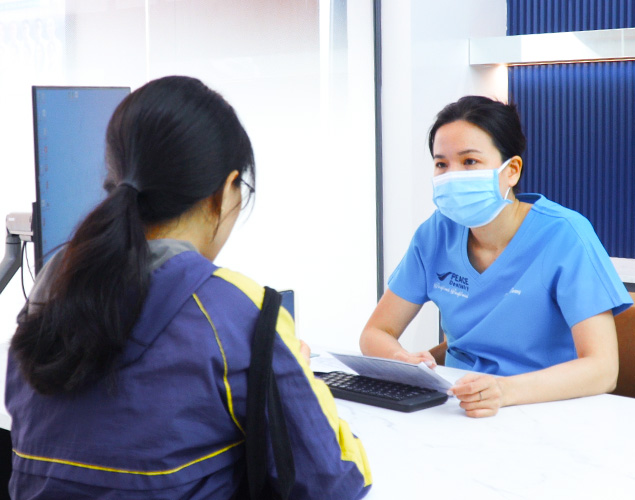

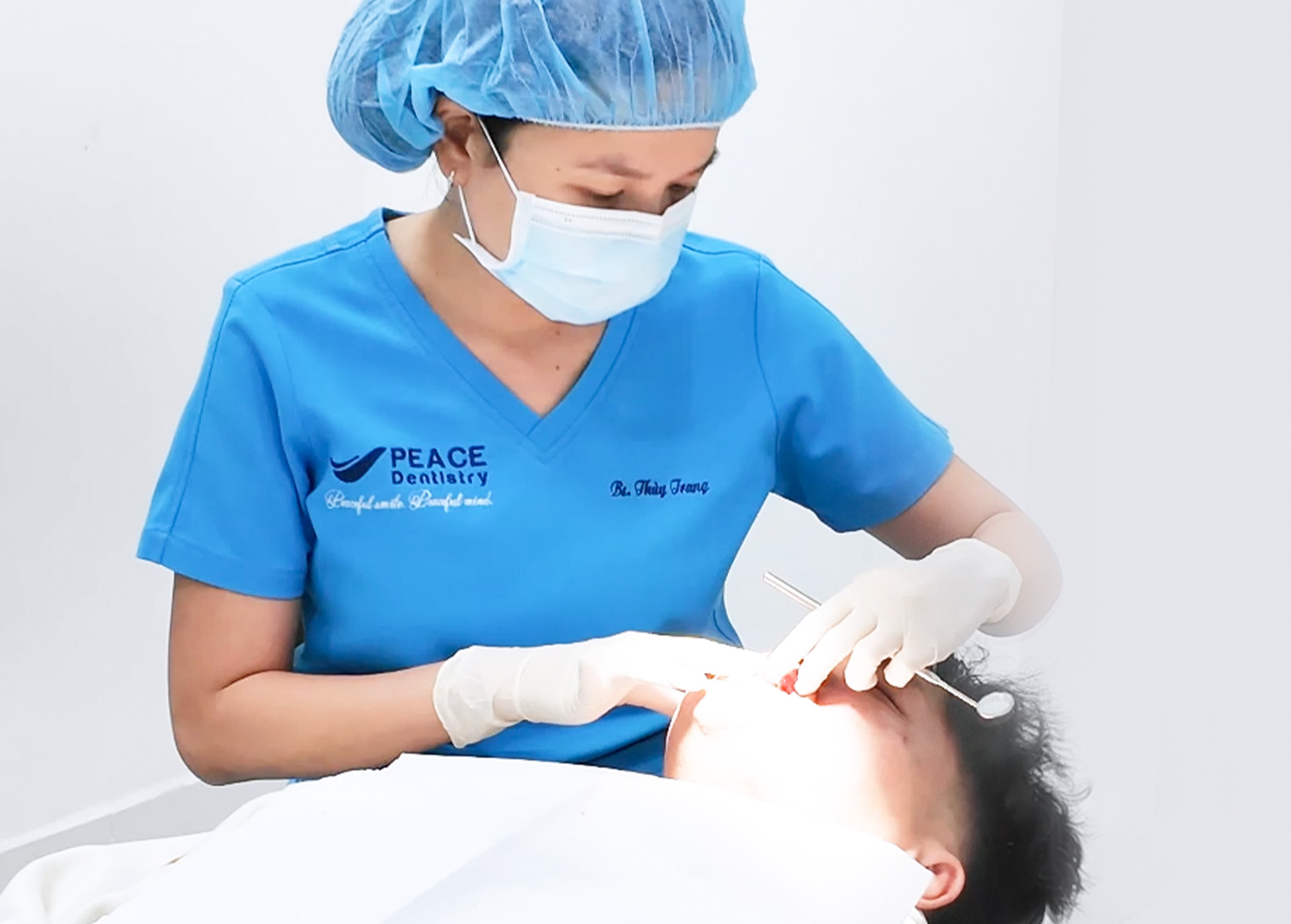
The orthodontist monitors how the teeth respond, controls the applied forces and adjusts the plan at each stage as required.
The bite and aesthetics are refined, followed by a prescribed retention programme to help stabilise the result after orthodontic treatment.
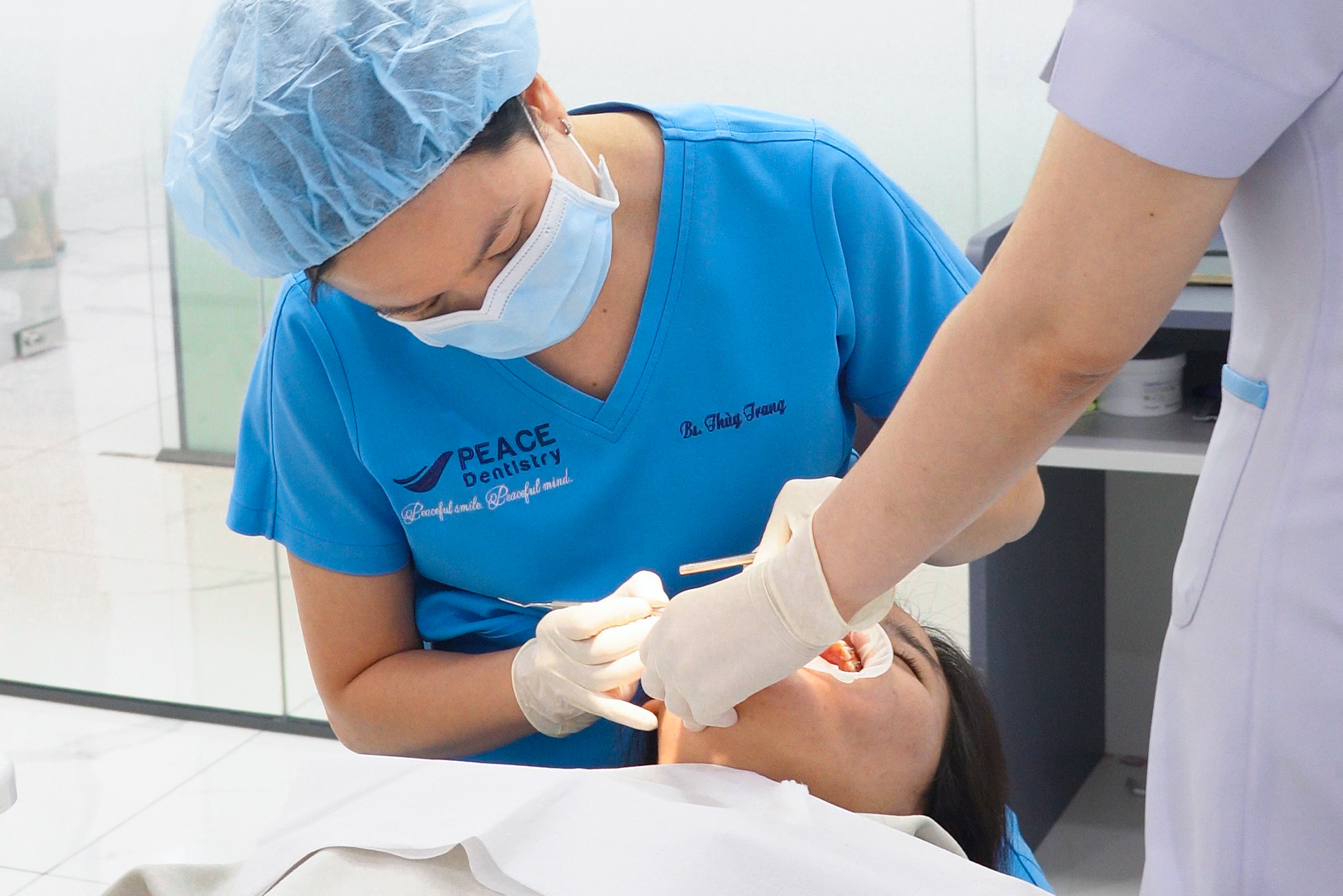
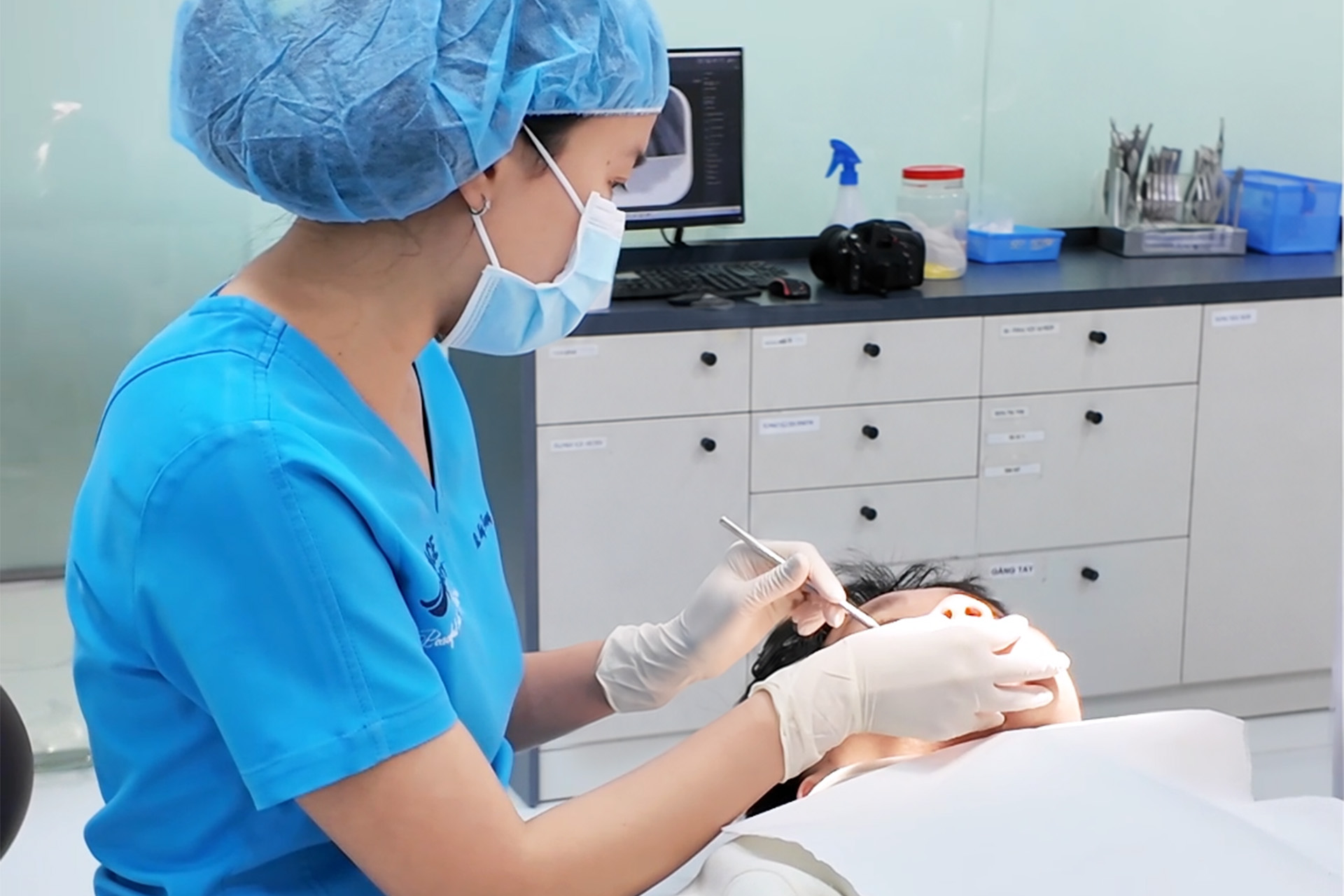
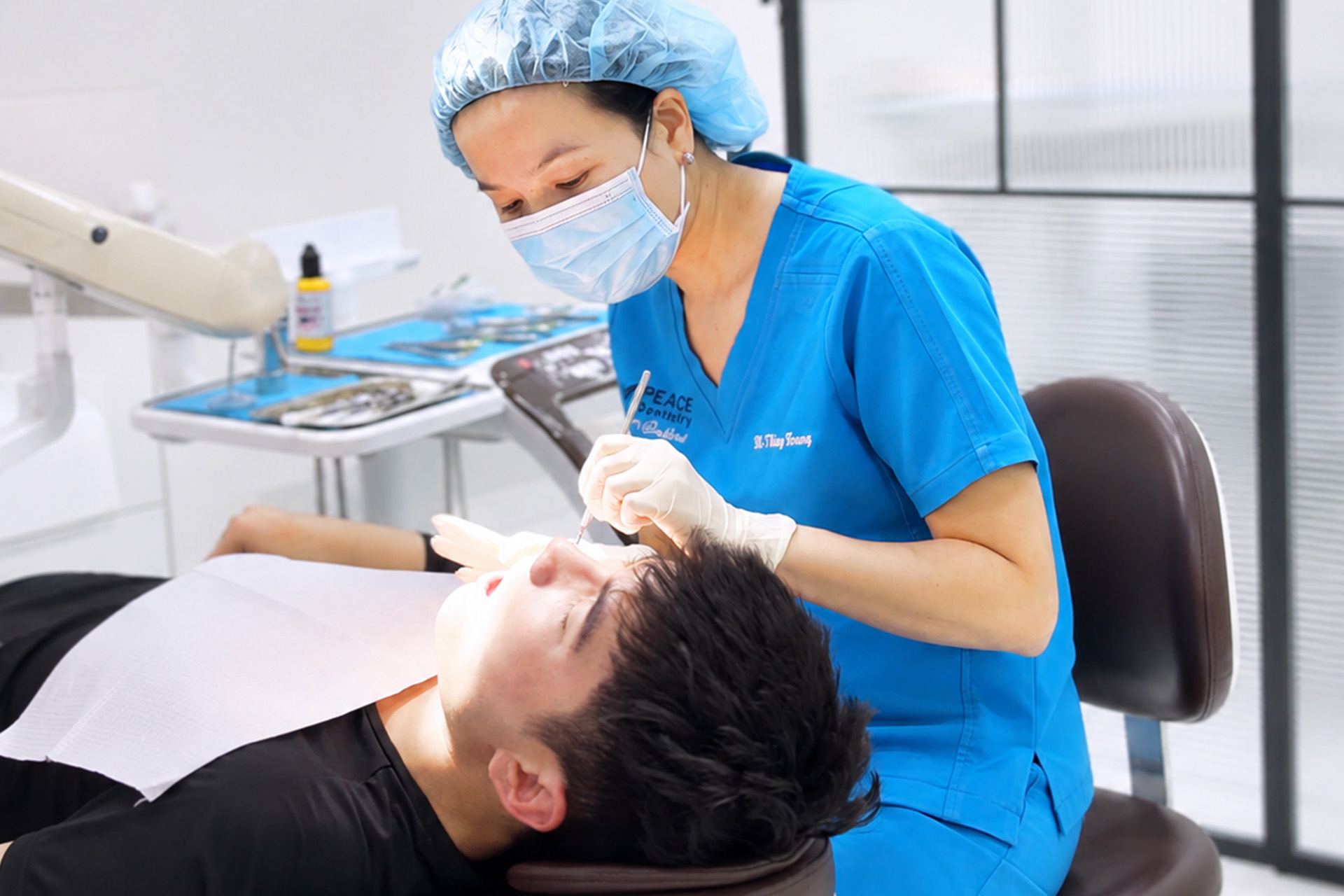
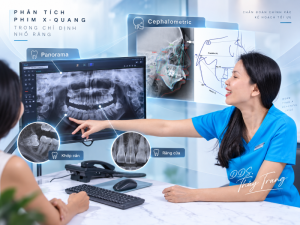
The teeth, bite, face and periodontal tissues are assessed, supported by clinical photographs, radiographs and digital scans where required to determine the nature of the problem. The orthodontist defines the treatment objectives and method, assesses the need for extractions and anchorage, and plans any multidisciplinary procedures.
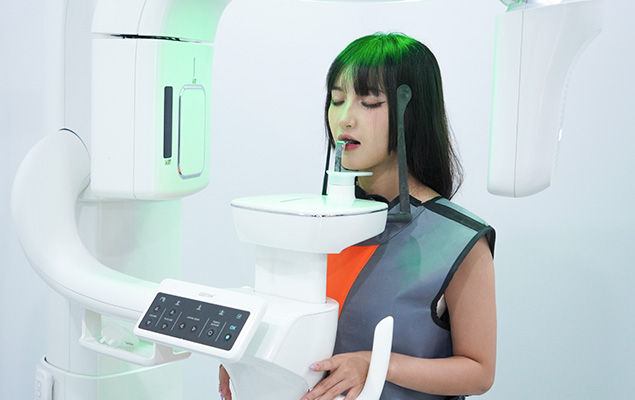
In adults, jaw growth is complete, while dental and periodontal conditions vary significantly between individuals. Treatment effectiveness therefore depends not simply on the type of braces or aligners used, but first on accurate diagnosis, sound treatment design, force control and the orthodontist’s ability to manage changes throughout treatment.

“Every orthodontic case requires its own plan. I treat the bite and the smile of a person — not simply a set of teeth that needs straightening.”
A sound orthodontic plan begins with the right diagnosis: whether the problem lies in the teeth, bite or jaws; which objectives are realistically achievable; and which treatment method is most suitable for you.
Understanding orthodontic treatment before you begin helps you choose the right method, set realistic expectations about treatment time and results, and participate more confidently throughout the process.

Enhancing your beauty and well-being, one treatment at a time, for a healthier tomorrow and a radiant future.