



Helping identify, monitor and manage abnormalities of the teeth, bite and jaws during growth—creating a foundation for healthy, attractive teeth, good oral function and a more harmonious smile.

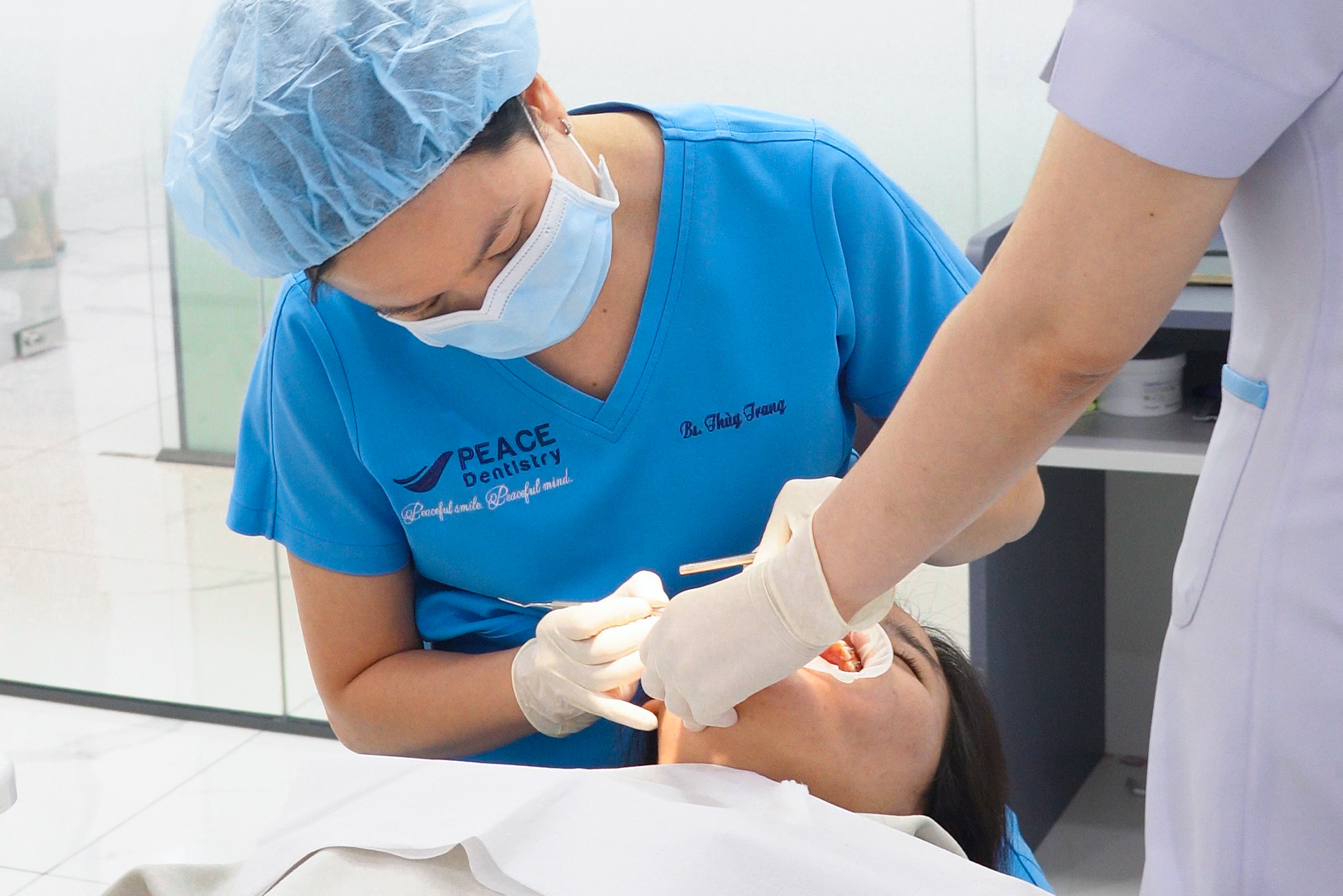
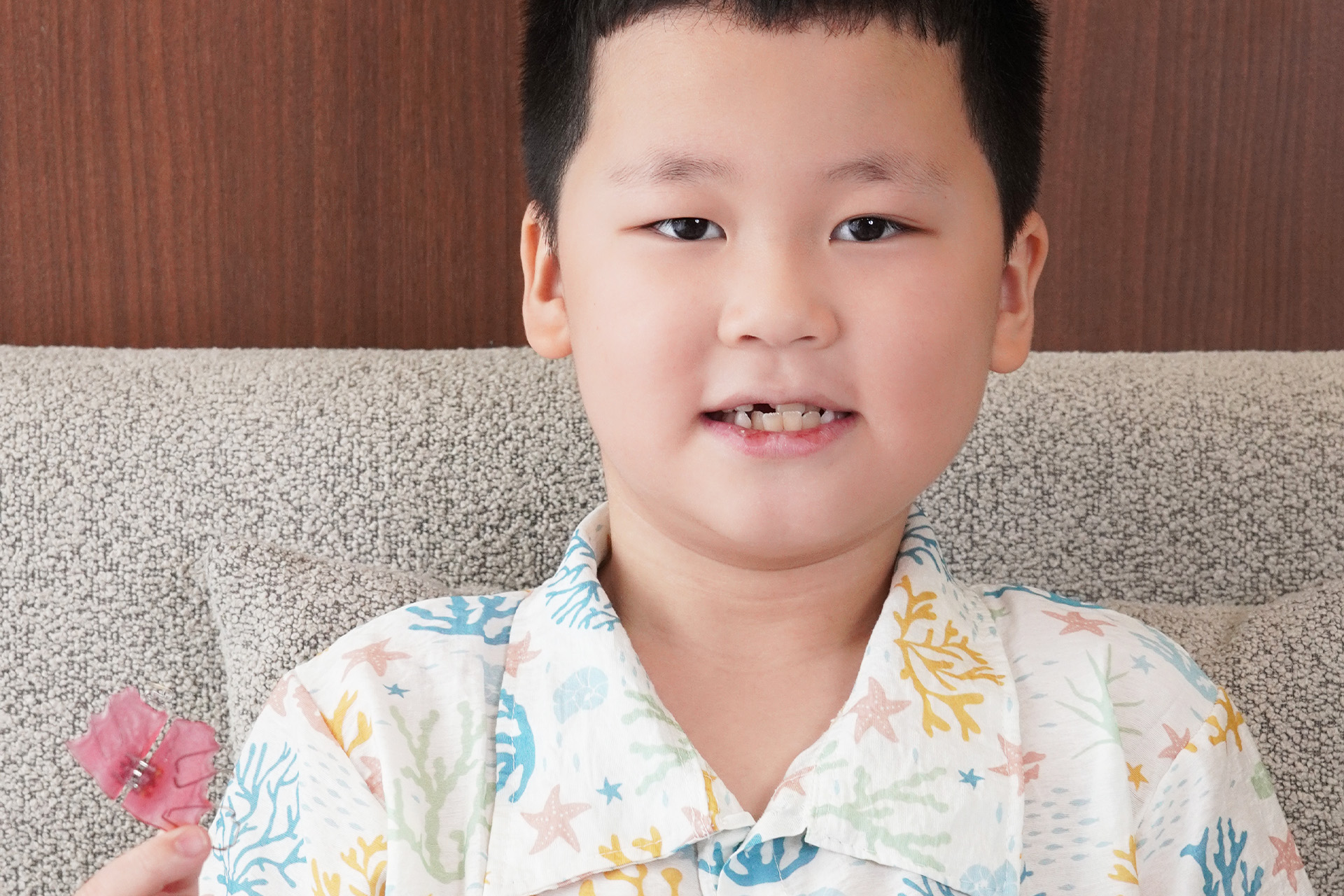
Orthodontics for children involves monitoring and, when indicated, guiding the development of the teeth, bite and jaws while a child is still growing. Depending on the condition, the orthodontist selects the appropriate timing and method to guide tooth eruption, correct the bite, influence growth or move the teeth.
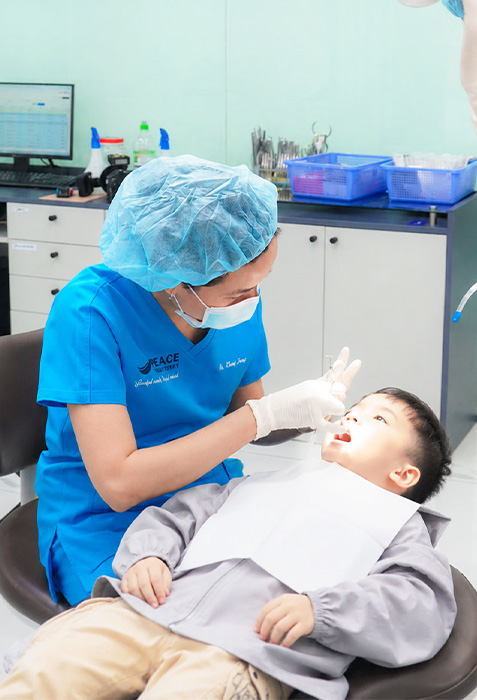
Healthy, harmonious teeth and a confident smile offer more than aesthetic value—they may also support a child’s self-image and confidence.
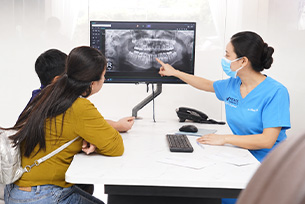
Immediate treatment may not be needed. Periodic reassessment helps identify the right time to intervene.
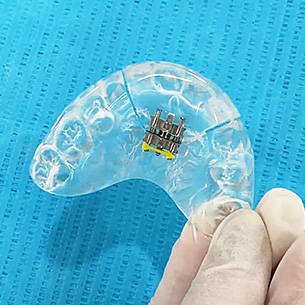
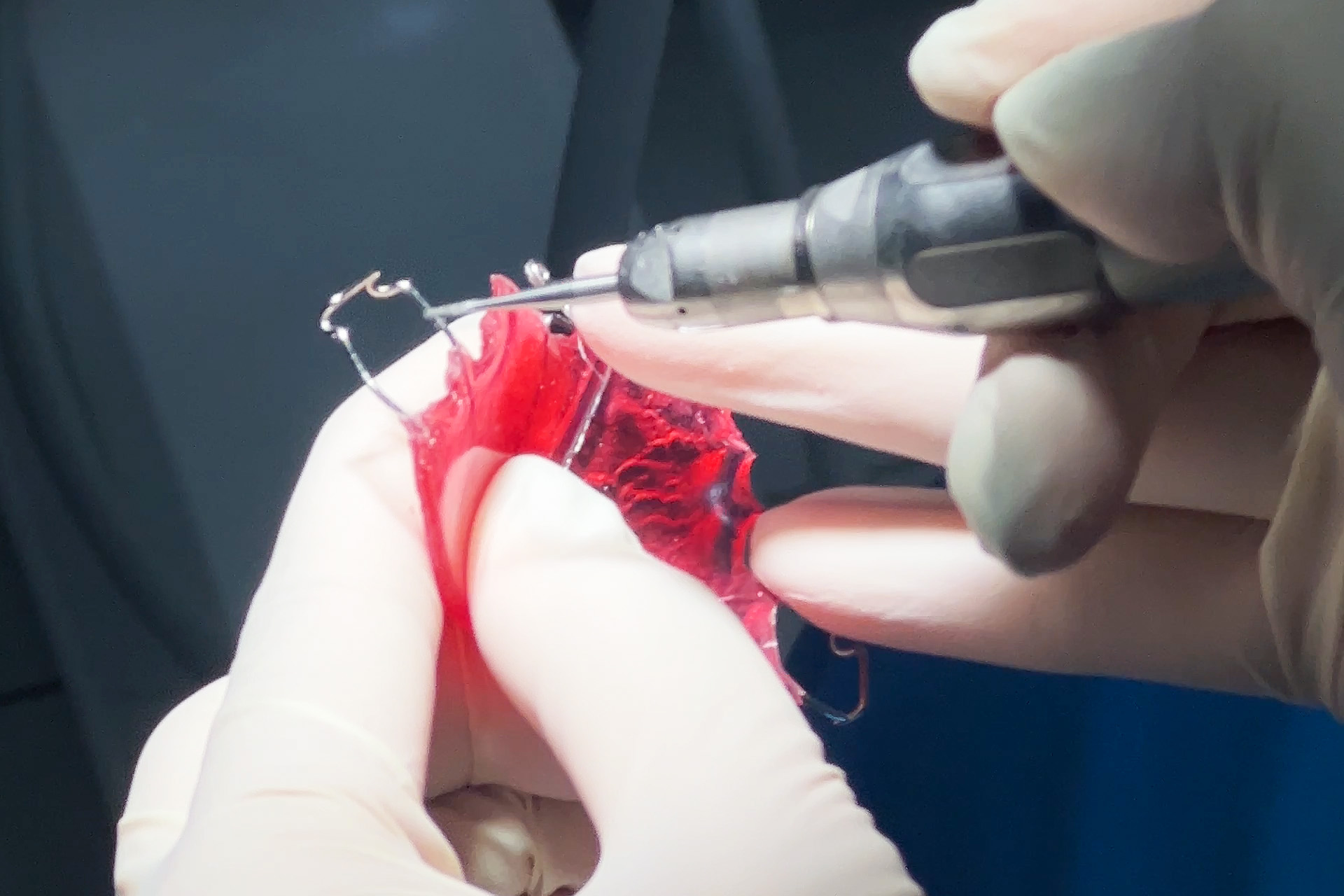
Used in selected cases to help guide dental and jaw relationships during growth.

Provide controlled tooth movement once the child reaches an appropriate stage of development.
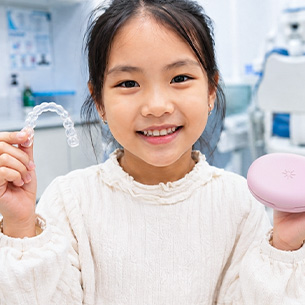
An option for suitable children, depending on their dental condition, age and ability to cooperate with treatment.
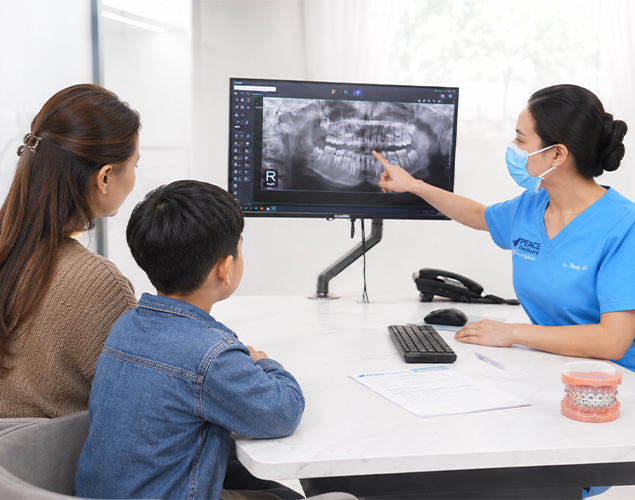

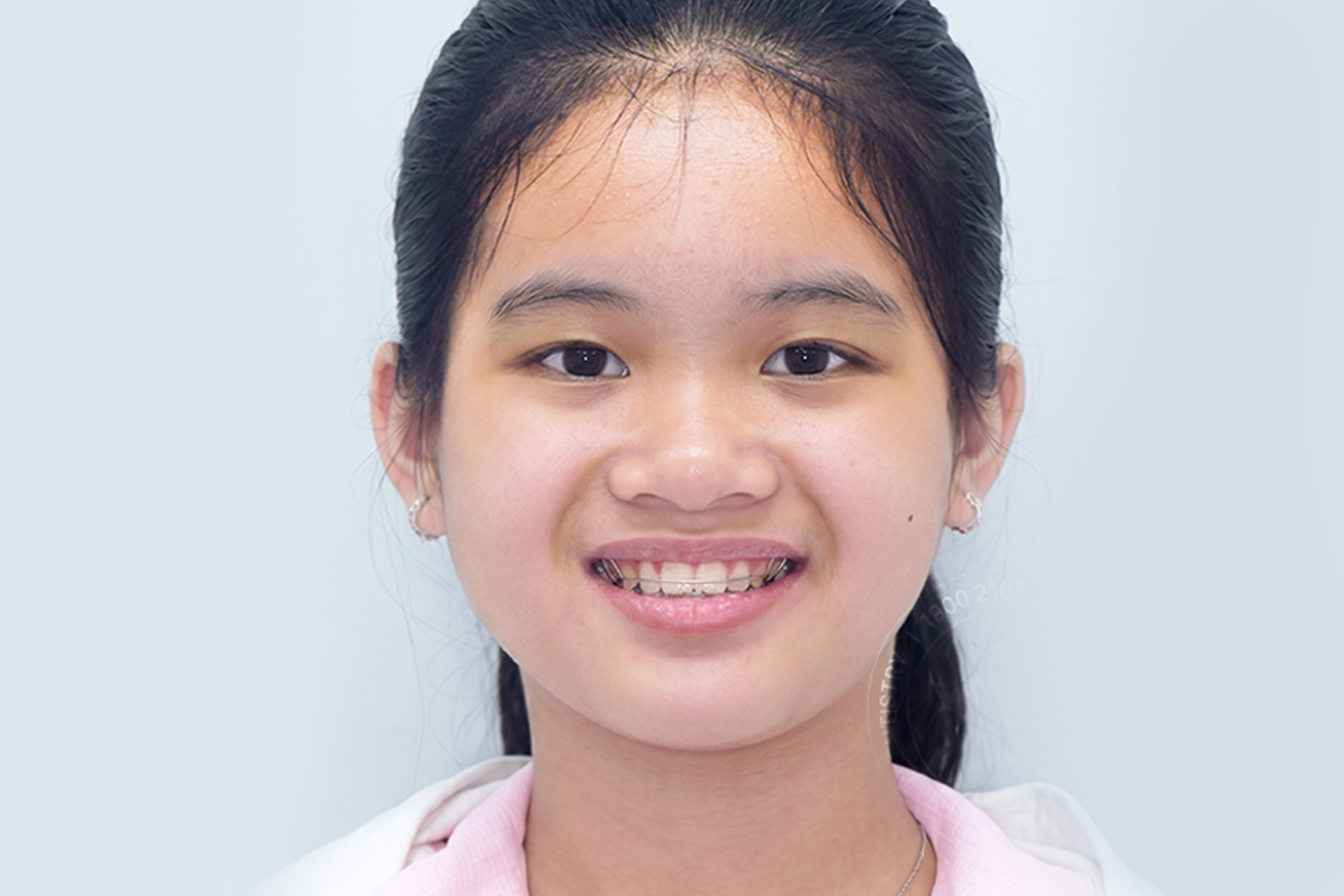
Depending on the case, treatment may use growth-modification appliances, space-management appliances, braces, clear aligners or a combination of approaches.
The child’s response is assessed as growth continues, the plan is adjusted when necessary, and the result is maintained after treatment.
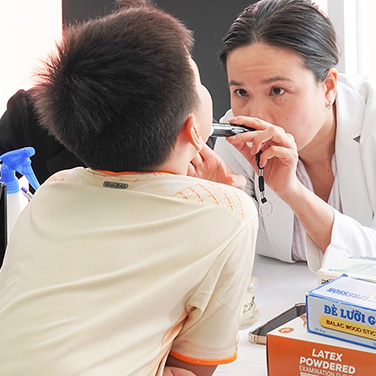
Assessment of the teeth, bite, tooth eruption and replacement, jaws, and habits that may affect dental and facial development. The orthodontist selects the most appropriate approach and identifies the optimal “window” for intervention.
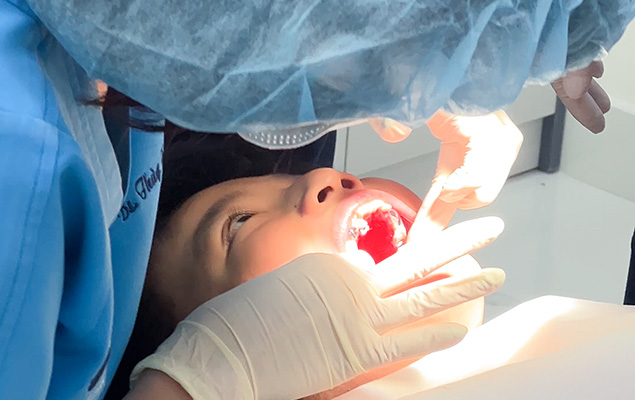
Effective orthodontic care for children depends on more than the appliance or method used. The orthodontist must accurately diagnose concerns involving the teeth, bite and jaws; assess the child’s growth stage; and select the right timing and intervention. Growth must then be monitored and the plan adjusted throughout treatment. These principles are also emphasised by the American Academy of Pediatric Dentistry (AAPD) in the management of the developing dentition and occlusion.

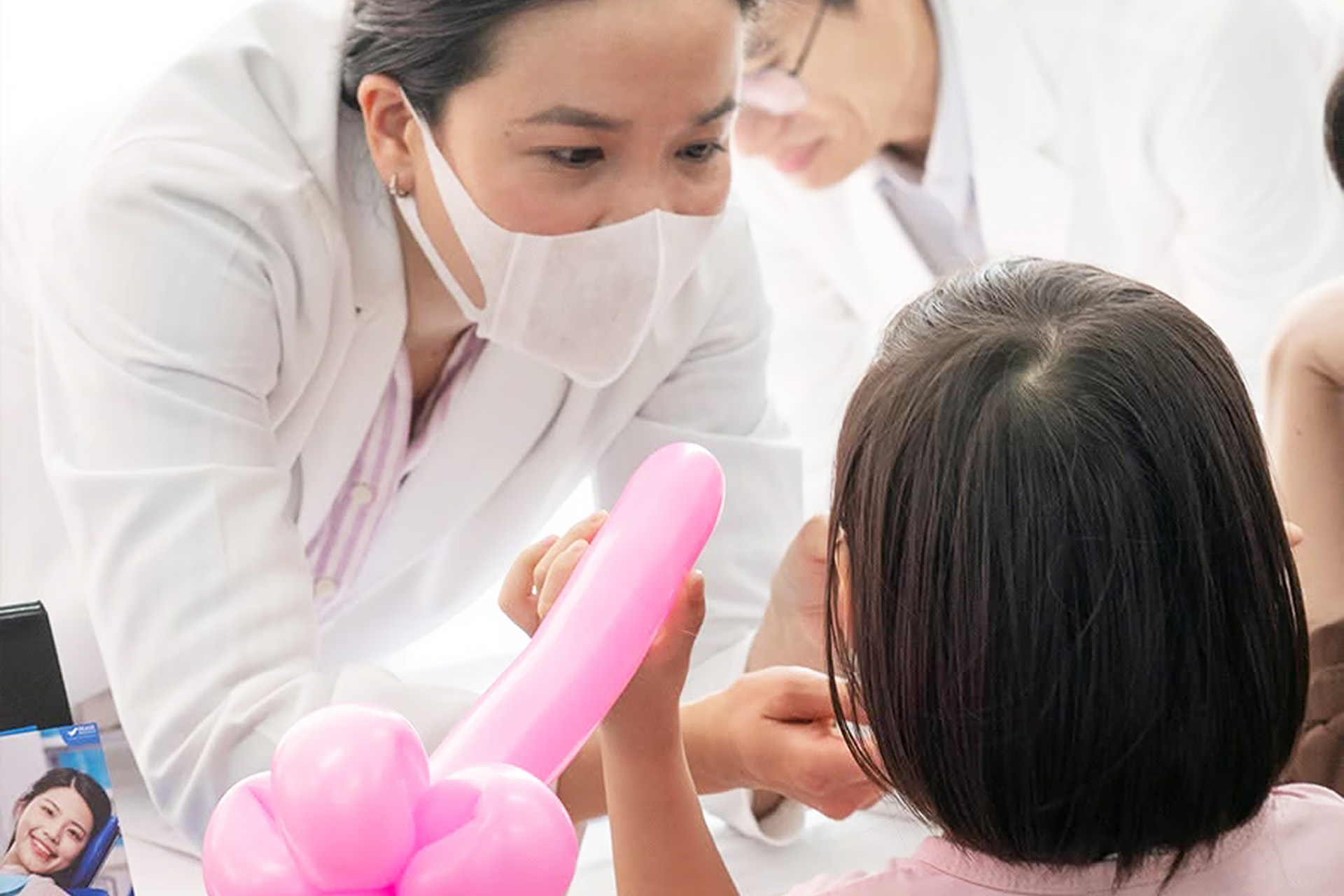
“Before treating a child, the orthodontist must first earn the child’s trust—and begin with genuine care.”
Successful orthodontic care for a child begins with identifying the essentials: the child’s stage of development, whether the concern is dental or skeletal, and when intervention will provide a genuine benefit.

Hiểu đúng trước khi quyết định can thiệp giúp phụ huynh tránh hai thái cực: điều trị quá sớm khi chưa cần hoặc bỏ lỡ thời điểm thuận lợi để xử lý một vấn đề tăng trưởng.
Không. Đây là thời điểm phù hợp để đánh giá; nhưng phần lớn trẻ không đồng nghĩa phải bắt đầu niềng ngay.
Có thể, nếu trẻ có vấn đề cần can thiệp ở giai đoạn răng hỗn hợp. chỉ định phụ thuộc vào chẩn đoán.
Không nên tự chờ. cắn ngược cần được đánh giá sớm để phân biệt sai lệch do răng và do xương.
Không nhất thiết. mục tiêu giai đoạn sớm là xử lý vấn đề cần thiết và tạo điều kiện thuận lợi cho phát triển tiếp theo.

Enhancing your beauty and well-being, one treatment at a time, for a healthier tomorrow and a radiant future.